How Portion Sizes Have Changed
In the past two decades, the way we eat has undergone a major transformation—specifically, in terms of portion sizes. What was once considered a “normal” serving has become far larger than what was once the norm, contributing to a host of health issues, including obesity, diabetes, and other chronic diseases. But how did this happen? Let’s dive into the phenomenon of “portion distortion” and explore the dramatic changes in portion sizes since the turn of the century.
The Rise of Portion Distortion
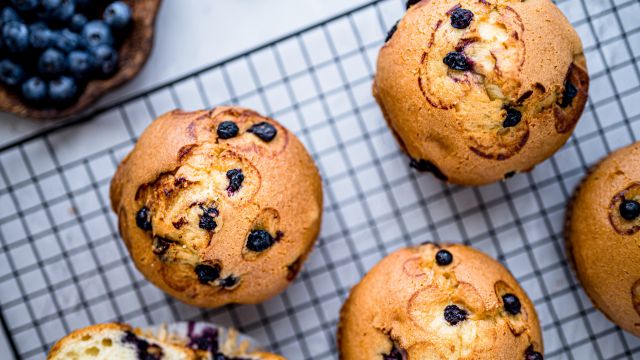
In the 1990s and early 2000s, food portion sizes began to expand across nearly every food category. What began as a gradual shift has evolved into a full-scale cultural transformation, where what we perceive as “normal” portions are far larger than what our bodies actually need. Muffins made in a traditional muffin tray are now consider small compared to the jumbo options available at your local coffee shop.
One of the most visible examples of portion distortion is fast food. Think back to the size of a small soda in the 1990s. It was typically 12 ounces. Fast forward to today, and you’ll find that a “small” drink is often closer to 20 ounces, with “large” sizes pushing 32 ounces or more. This trend extends to everything from snacks to restaurant meals, where an appetizer often outstrips what used to be considered a main course in terms of calories and volume.
Why Are Portions Growing?
Several factors have contributed to the growth of portion sizes over the years, many of which are tied to shifts in our food culture, convenience, and economics.
- Food Industry Influence: Fast food chains and restaurants have played a significant role in the increase in portion sizes. In a competitive market where value is a driving factor for consumer choices, larger portions are often marketed as a way to get “more bang for your buck.” Companies use super-sized portions to appeal to customers who perceive larger quantities as a better deal, leading to more calorie-dense meals.
- Marketing and Perception of Value: Advertisements for food products often promote larger servings as an attractive selling point. In turn, consumers become accustomed to associating bigger portions with better value, which shifts our expectations about what a “normal” meal should look like. The psychology of marketing plays a huge role in encouraging us to consume more than we need.
- Changes in Dining Culture: In the past, eating out was considered a special occasion. Now, dining out has become a more regular part of daily life for many. As restaurants compete for customers, they often offer larger portions to make their meals appear more appealing. Additionally, the rise of “all-you-can-eat” buffets and meal deals has further incentivized people to eat more, often leading to overeating without even realizing it.
- Supersizing for Convenience: With a faster-paced lifestyle, people are looking for convenience more than ever. Larger portions mean fewer trips to restaurants or grocery stores, and many people believe that buying in bulk or larger quantities is more practical for saving time and money. Unfortunately, the downside is that these larger portions are typically packed with more calories, sodium, and fats.
The Health Impact of Portion Distortion
The dramatic increase in portion sizes has had a significant impact on public health, particularly in the U.S. where obesity rates have surged over the past few decades. When people consume portions that far exceed their caloric needs, they tend to gain weight, especially when combined with sedentary lifestyles. Over time, this can lead to an increased risk of developing chronic diseases like type 2 diabetes, heart disease, and hypertension.
How Do Portion Sizes Differ from the Turn of the Century?
Let’s take a closer look at how portion sizes have evolved across different food categories since the turn of the century:
- Burgers and Sandwiches:
- Then: A standard fast-food burger in the 1990s was roughly 3-4 ounces of meat, typically accompanied by a few condiments and vegetables.
- Now: Today’s burgers are often double that size, with some weighing in at 8 ounces or more. Additionally, the addition of extra toppings like bacon, cheese, and sauces further increases the calorie count.
- Sodas and Beverages:
- Then: A “small” soda was 12 ounces, and a “large” might be 16 ounces.
- Now: A small drink is often 16-20 ounces, and large cups can hold 32 ounces or more. The increase in soda size has been a huge contributor to the rise in sugary drink consumption and subsequent weight gain.
- Snack Foods:
- Then: A typical serving size for snack foods like chips or pretzels was around 1 ounce, or a small handful.
- Now: Bag sizes have expanded, and many consumers snack directly from family-sized bags or grab jumbo-sized portions from vending machines, often eating 3-4 times the recommended serving.
- Restaurant Meals:
- Then: Meals in the late 20th century were typically smaller, with a clear distinction between appetizers, mains, and desserts.
- Now: Restaurant portions have grown so much that they often consist of multiple servings in one plate, with some meals packing in 1,000-2,000 calories or more. Side dishes, salads, and even desserts have ballooned in size, often leading to overconsumption without realizing it.
How to Combat Portion Distortion
Recognizing the problem of portion distortion is the first step toward regaining control over your eating habits. Here are some strategies to help combat portion distortion:
- Be Mindful of Serving Sizes: Check food labels and be conscious of what a “normal” portion looks like. It can be helpful to measure out your food at home to make sure you’re not overeating.
- Choose Smaller Portions When Dining Out: Opt for smaller portion options, share meals with friends or family, or even ask for a to-go box as soon as your meal is served to avoid overeating.
- Use Smaller Plates: Research shows that people tend to eat more when they’re given larger plates or containers. By using smaller plates, you can trick your brain into thinking you’re eating more than you actually are.
- Eat Slowly and Avoid Distractions: Take your time to eat and savor your food. Avoid eating in front of the TV or while distracted, as this can lead to mindless overeating.
Conclusion
Portion distortion is a cultural shift that has dramatically changed the way we eat since the turn of the century. As portion sizes continue to grow, so do the health challenges associated with overeating. By understanding the influence of marketing, food industry practices, and the changes in our dining habits, we can start making conscious decisions to reduce portion sizes and take back control of our health. Small changes in how we approach our meals can have a big impact on our overall well-being. It’s time to rethink our portions and our health.
If you’re struggling to get on top of portions and figure out how to plan meals that work for you, consider meeting with a dietitian. Learn more by visiting my Services page.
Best dietitian for weight loss in Chicago, get affordable nutrition counseling near me, with a weight loss nutritionist near me for Expert advice from a registered dietitian for healthy eating
